













When comparing eau de parfum vs parfum, the main difference lies in their concentration. Parfum contains a higher percentage of fragrance oil, typically 20-40%, and lasts eight hours or more.
In contrast, eau de parfum usually contains 15-20% fragrance oil and lasts four to six hours. If your priority is a rich, long-lasting fragrance, parfum is the ideal choice, but if you’re looking for something lighter and more versatile for everyday wear, eau de parfum is the better option.
While shopping for perfume, you may come across French terms you’ve never heard of before. Words like parfum and sillage might sound overly sophisticated but are necessary for choosing the perfect fragrance. We promise they are easy to grasp over time.
In this guide, we’re going to break down scent labels step by step. By the end, you’ll know the difference between parfum, eau de parfum, eau de toilette, and more.
|
Category |
Percentage of Oil |
Lasting Power |
Projection |
Occasion |
|
Parfum |
~20-40% oils |
~8-12h |
Intimate to moderate projection |
Evenings/cool weather |
|
Eau de Parfum |
~15-20% oils |
~4-6h |
Moderate projection |
Day-to-night versatility |
|
Eau de Toilette |
~5-15% oils |
~2-4h |
Lighter/airier |
Daytime/heat |
|
Eau de Cologne/Fraîche |
~2-5% oils |
~1-2h |
Very light/fresh |
Quick refresh |
*Ranges are typical. Performance varies by formula, notes, skin, and climate.
Parfum vs. Eau de Parfum: What’s the Difference?
The key difference between parfum and eau de parfum is how much fragrance oil they each contain, which influences everything from how they project to how long they last. As explained above, parfum, also called extrait de parfum, contains the highest percentage of fragrance oil.
Eau de parfum’s concentration is more moderate, but still typically stronger than other perfume categories. This difference in oil concentration is what determines and differentiates their longevity .
Parfum vs. Eau de Parfum: Longevity
With a high concentration of fragrance oil, parfum can last eight hours or more, providing a rich, enduring scent with little need for reapplication.
On the other hand, eau de parfum has a lower concentration and usually lasts four to six hours, enhancing without overwhelming and making it ideal for everyday wear.
-
Why parfum lasts longer: Fragrance evaporation rates vary based on scent molecules and individual skin properties . Less alcohol in the formula means the scent fades faster, which is why parfum lasts longer.
-
What affects wear time: Skin type, hydration, climate, and application method can all play a role in how long fragrance lasts on skin . For example, the same formula can behave differently in cold vs warm weather or on dry vs. oily skin.
Parfum vs. Eau de Parfum: Projection and Sillage
Two things worth knowing before you buy: how far a scent radiates off your skin, and the trail it leaves behind as you move through a room. The first is projection. The second is sillage. Both matter, they just matter differently depending on where you're wearing it.
Eau de parfum tends to push outward. The alcohol content disperses the fragrance into the air around you, so it carries farther and announces itself a little more. Parfum wears closer to the skin. It diffuses slowly, feels denser, and leaves more of a trail in your wake than a cloud around you.
The choice is pretty simple. Reach for eau de parfum when you want the scent to carry, like on a night out, at a work event, or anywhere you're moving through a crowd. Parfum works better up close: a day at the office, dinner with friends, anywhere the people around you are within arm's reach. Both are more concentrated than an eau de toilette, so start light and build from there.
Parfum vs. Eau de Parfum: Price and Value
Parfum costs more than eau de parfum because it has a higher concentration of fragrance oil, and oil is the most expensive part of any formula. More oil per bottle means a higher price tag.
The cost-per-wear math is closer than you'd expect, though. A parfum used sparingly can last just as long as an eau de parfum you spray freely. If you reapply throughout the day, eau de parfum is probably the smarter buy. If you spray once and move on, the higher upfront cost of parfum is a lot easier to justify.
How To Choose Between Parfum and Eau de Parfum
You’ve got the low-down on all the different types of scents, so it’s time to figure out how to choose between them.
If you want an all-day scent with a richer presence, parfum offers up the most longevity. For a versatile daily signature scent, an eu de parfum is best and easy to layer with other fragrances.
When you’re in a hot and humid place or want a distinctly daytime fragrance, reach for an eau de toilette or a light eau de parfum with fewer sprays. In warm weather, heat amplifies projection, so we recommend a lighter application of eau de parfum. In cold weather, however, richer formulas come out on top. Apply your parfum or eau de parfum as you typically would. The cool air will keep the scent closer to your skin.
If you are highly sensitive to scents or need a subtle fragrance to wear to work, try out an eau de toilette or eau de cologne. You may also use one to two sprays of an eau de parfum or a single targeted spritz of parfum to avoid being overwhelmed with fragrance.
Last but not least, if you’re budget-conscious or want a scent that’s great for layering, spritz on an eau de toilette or eau de cologne with a matching body product.
What Do the Different Scent Labels Mean?
Scent labels on perfumes and fragrances are meant to help consumers understand what to expect from the contents inside. They list details like scent profiles and fragrance concentrations.
As we’ve already mentioned, fragrance concentration determines the intensity and longevity of a product. It can be labeled as parfum, eau de parfum, or eau de toilette. You may also see bottles labeled as eau de cologne (EDC). EDCs are distinctly light with 2% to 4% fragrance oils. They typically last one to two hours.
To explain the scent profile of a product, labels list fragrance notes. Fragrances are categorized as top notes, middle notes, and base notes, each unfolding one by one. Top notes are the first scent you notice, but they last for a very short amount of time.
Next comes the middle notes, also called heart notes, forming the core fragrance. Base notes develop last, linger the longest, and provide the most depth.
On the topic of lingering, your perfume’s scent label may also feature the term “sillage.” Sillage describes how long a fragrance will stay in the air, even after you’ve walked away. This effect is typically determined by the alcohol content. If your perfume is labeled as having strong sillage, it's more likely to trail behind you.
Which Type of Scent Is Best for a Special Event?
Special events usually involve spending an extended amount of time around others, making it important to leave a positive impression.
If you’re hoping to smell your best all throughout the occasion, you’ll probably want to wear a long-lasting, memorable fragrance.
Parfums can sometimes air on the side of intense and overwhelming, but they’re a strong option if your event is particularly long. Alternatively, you can also choose an eau de parfum — whether you’re heading to a coworker’s dinner party or your best friend’s wedding, an EDP will give you the necessary longevity.
We love using a fragrance that complements the occasion. If you’re having cocktails on an outdoor patio, for example, trying something fresh and fruity might fit the vibe.
Attending an important work gala? You might feel drawn to something warm and sophisticated. If you’re still not sure what to pick, it’s always a safe bet to go with your signature scent .
Which Type of Scent Is Best for Casual Occasions?
When it comes to casual occasions, it's better to use fragrances that are light and easygoing. The goal is to smell nice and fresh without overwhelming the senses. An eau de toilette’s moderate concentration makes it the perfect choice. Just like with an eau de parfum, we suggest tailoring your EDT based on the activities you have planned for the day.
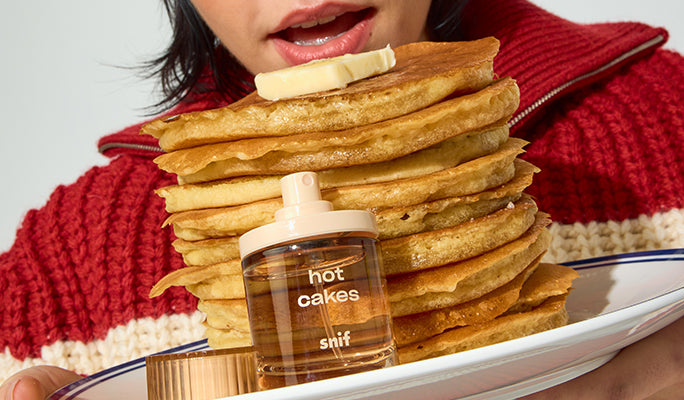
If you’re grabbing brunch with friends, choose a gourmand option like a vanilla fragrance — or, even better, opt for Hot Cakes, our pancake fragrance that fits right in at the hottest breakfast spot.
Going for a walk through the park? Opt for a fruity, floral fragrance like a citrus scent or rose fragrance . At Snif, all of our fragrances are formulated for optimal performance and long-lasting daily wear.
Application Tips
Regardless of if you want to go for a rich parfum or an airy eau de cologne, you should always start by moisturizing your skin before spraying on your fragrance. This will slow down the rate at which the fragrance evaporates and help it last longer.
Apply two to four sprays of the scent to your pulse points. Make sure to let the fragrance dry naturally rather than rubbing it in. Keep in mind that if you’re in a hot place or you’re going to be in a small space, you can go a little lighter on your application. When it comes to spritzing your clothes, you can give them a light mist from a distance, but make sure you avoid applying fragrance to delicate fabrics that could be damaged.
You can reapply eau de toilette after three to four hours, eau de parfum after four to six hours, and parfum after six to eight hours of wear. Keep in mind that these are estimates and the reapplication window will vary depending on the fragrance and your specific skin chemistry.
Finding Your Fragrance
Now that you’re a pro at reading scent labels on perfume bottles, you get to enjoy the fun part: finding your fragrance! Remember to consider factors like what the occasion is, how long you need it to last, and how it will interact with your body and environment.
Whether you’re in the mood for a fancy parfum or a casual eau de toilette, we’re certain you’ll find a scent you love!
FAQs
Is eau de parfum stronger than eau de toilette?
Yes, eau de parfum is stronger than eau de toilette due to the higher percentage of oil in eau de parfum. Generally speaking, an eau de parfum will last longer; that said, the specific projection of every fragrance depends on the formula.
Parfum vs. EDP: which lasts longer?
Parfum usually lasts longer than an eau de parfum because it contains more fragrance oil. You’ll also find that parfum has a denser wear than eau de parfum which means it tends to have a richer, heavier smell.
Is EDP unisex?
Yes, eau de parfum is absolutley unisex. When shopping for fragrances it’s important to keep in mind that concentration is not equivalent to gender.
Can I wear EDP in hot weather?
Yes, even though eau de parfum is known for having a deep, strong scent, you can wear it in hot weather.
If you want to go for a richer eau de parfum in warm weather, make sure to apply fewer sprays of the fragrance and just focus on spraying your pulse points and clothes. This will guarantee you have a long-lasting fragrance that doesn’t overwhelm.
How many sprays should I use?
When you’re trying on a new fragrance, always start by spritzing on two to four sprays. Give the scent a few minutes to settle on your skin, then adjust accordingly. Keep in mind the fragrance formula, climate, and the setting in which you’re wearing a scent when deciding how many sprays to wear.
What causes differences in longevity?
You might notice some scents last all day, whereas others tend to fade fast. The difference in fragrance longevity is due to different fragrance oil concentrations, notes, skin types, climates, and application methods.
Is parfum the same as perfume?
Not exactly, but parfum does fall under the perfume umbrella. “Parfum” is a fragrance made with a specific concentration, usually 20-40% fragrance oil. Meanwhile, "perfume" is a catch-all term for any scented product. In short, all parfum is perfume, but not all perfume is parfum.
Is eau de parfum worth it?
Eau de parfum is concentrated enough to last a full workday and versatile enough to wear across all seasons and occasions. Eau de parfum’s moderate projection is worth it for everyday wear.
Sources:
What Is Sweat & Why Do We Sweat? | Cleveland Clinic